The cosmetic dermatology team at Aesthetic Solutions helps couples build a personalized pre-wedding beauty plan that delivers refreshed, natural-looking results

BROUGHT TO YOU BY
Aesthetic Solutions
Aesthetic Solutions combines medical expertise, personalized planning and a focus on delivering subtle results, whether the goal is treating acne or pigmentation, softening expression lines, adding volume or simply getting wedding-ready skin. The team helps couples build a treatment plan that fits real life – not a rushed countdown.
Wedding beauty planning often gets lumped in with last-minute facials and makeup trials. But when it comes to your skin, the real work should start much earlier.
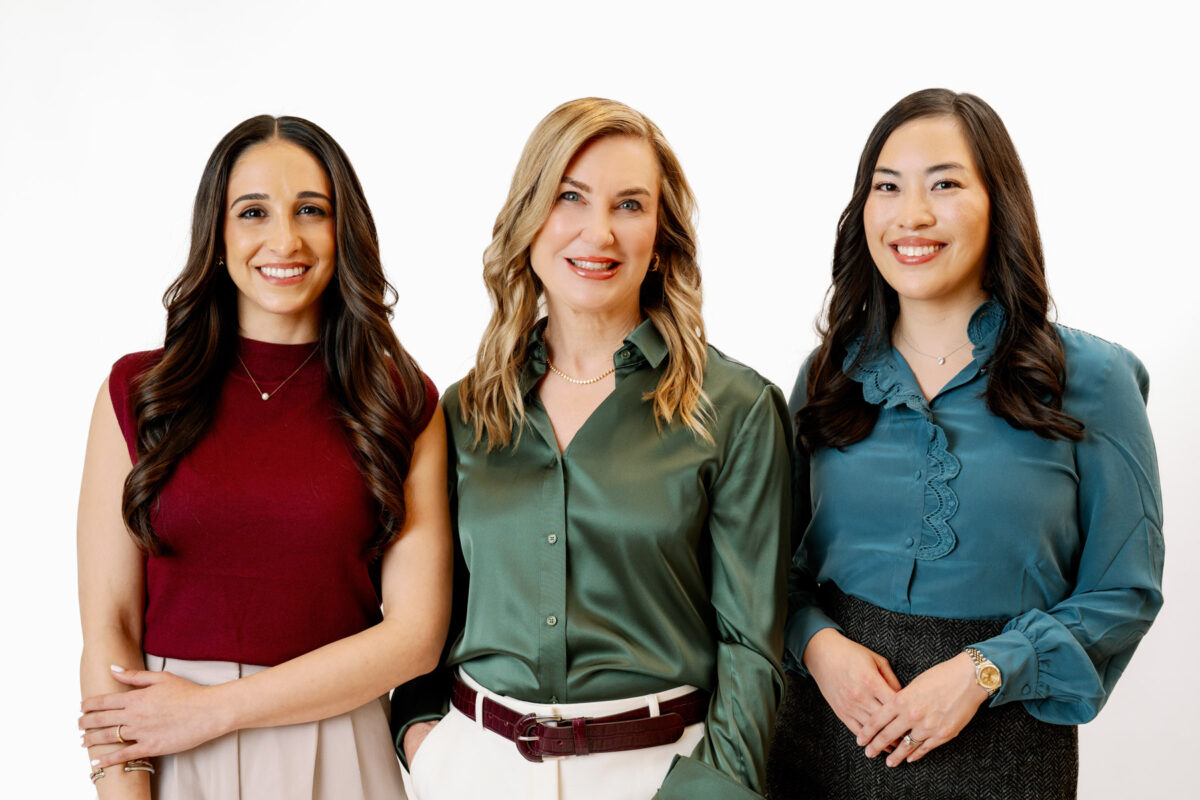
Many North Carolina couples want guidance on skin care, injectables and treatment timing, and a thoughtful plan can make the months leading up to the celebration feel calmer and more manageable. The goal isn’t a dramatic transformation or a face that feels unfamiliar in photos. It’s to look like yourself – refreshed, rested and confident – in the mirror, at the altar and years later when you pull out the wedding album.
We recently met with the Aesthetic Solutions team, and they made one thing very clear: Couples are seeking a “natural, refreshed result,” rather than anything exaggerated or overdone. And in many cases, the timeline matters more than any single treatment.
By Caleb LeJeune | Photography courtesy of Aesthetic Solutions
How to Achieve That Wedding Day Glow
“I think there is a common fear that cosmetic treatments – particularly fillers – will change your appearance or make you look unnatural,” says Aesthetic Solutions founder and medical director Dr. Sue Ellen Cox. “The best cosmetic treatments are the ones that are undetectable.”
Aesthetic Solutions’ Dr. Payvand Kamrani says that the glow many couples want rarely comes from a single facial or treatment. Instead, providers may address several concerns, including brown spots, redness, uneven texture, enlarged pores, hydration and collagen production.
“And if needed, we can also add collagen stimulators or skin boosters to improve the skin’s overall quality and radiance,” Dr. Kamrani says. “Our goal is that, by the time your wedding day arrives, your skin is the last thing you have to worry about.”
Build Your Wedding Skin Care Timeline Early
The month before your wedding is not the time to experiment with your skin. The Aesthetic Solutions team recommends beginning the planning process 12 to 18 months ahead, particularly for couples considering anything more involved than a simple facial or dermaplaning appointment.
Why start so early? Treatments need time to settle, and your skin needs a period to respond. An initial treatment may also reveal that you need to adjust your plan or add more time between appointments. Starting early gives you flexibility to work around everyday life, including work, travel, engagement photos and bach parties.
“I generally tell my patients not to try anything new in the three months leading up to a major event like a wedding,” Dr. Cox says. “Right before your big day is the time to stick with the treatments and products we already know work well for you and that you know make you look and feel like yourself.”
One such option is a medical-grade facial with dermaplaning. “[It’s] a great option about four to five days beforehand,” she says. “It gently exfoliates and removes peach fuzz, creating a smooth surface for an airbrushed-looking makeup application.”
When Should I Book a Cosmetic Dermatology Appointment?
Some concerns respond well to an at-home routine or over-the-counter products, while others require professional guidance and patience. Neuromodulators like Botox, for example, are not something to try for the first time immediately before walking down the aisle.
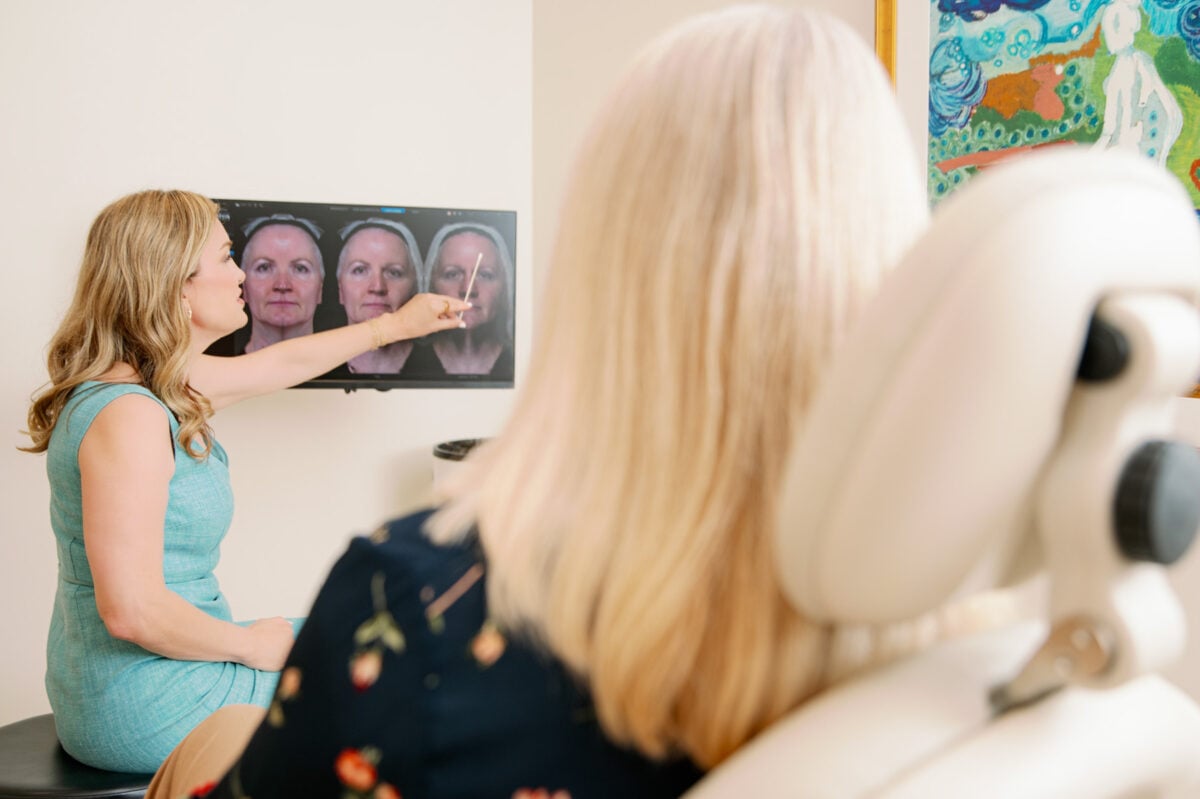
“My rule of thumb is to start the consultation process one year before the big day,” says Aesthetic Solutions’ Dr. Lisa Ishii, who also recommends allowing for a three- to six-month process for dermal fillers, with visits spaced far enough apart to evaluate how the results settle. More intensive treatments such as lasers and injectables should be completed three and two months, respectively, ahead of the wedding.
“Wrinkle relaxing and neuromodulators take a full 14 days to kick in,” Dr. Ishii says. “I recommend completing [these types of] treatments one to two months prior to the wedding so that we can make sure you love your results and have the chance to tweak if needed.”
Acne, acne scarring and hyperpigmentation often require an even longer runway. These concerns rarely resolve with a single appointment and may call for a combination of professional treatments, seasonal planning and consistent home care. In-office work helps move the needle, but the products you use at home help maintain and strengthen results – not unlike brushing your teeth between visits to the dentist.
For those less prone to breakouts, Dr. Ishii says HydraFacial and dermaplaning can be performed about one week prior to the wedding to leave skin looking dewy and hydrated – creating that quintessential glow on your big day.
Create a Beauty Plan That Fits Your Wedding – and Your Life
No two couples have the same goals, skin concerns or schedules. During your consultation, a specialist will begin by considering everything from skin-care priorities and anatomy to budget, downtime and even sun exposure (vacations and time spent in the outdoors often shape what’s realistic).
The season and location of the wedding can also influence treatment decisions. A summer celebration in Wilmington, a spring garden ceremony in Raleigh and fall portraits in the Blue Ridge Mountains all present different considerations. Sun exposure can worsen conditions such as hyperpigmentation and melasma, while some lasers require careful timing and significant sun avoidance.
The takeaway: Work with an experienced provider to build out a treatment schedule around your life, rather than having your skin-care appointments take it over.
What Are North Carolina Couples Asking For?
Today’s couples are often seeking brighter skin, smoother texture and softened expression lines – changes that can help them appear more rested and polished in photographs without looking noticeably different. Mothers of the bride and groom may approach appointments with different goals, including rejuvenation ahead of an important family milestone. Still, subtle improvements remain a common priority across Aesthetic Solutions’ patients.
Should I Try DIY Skin Care?
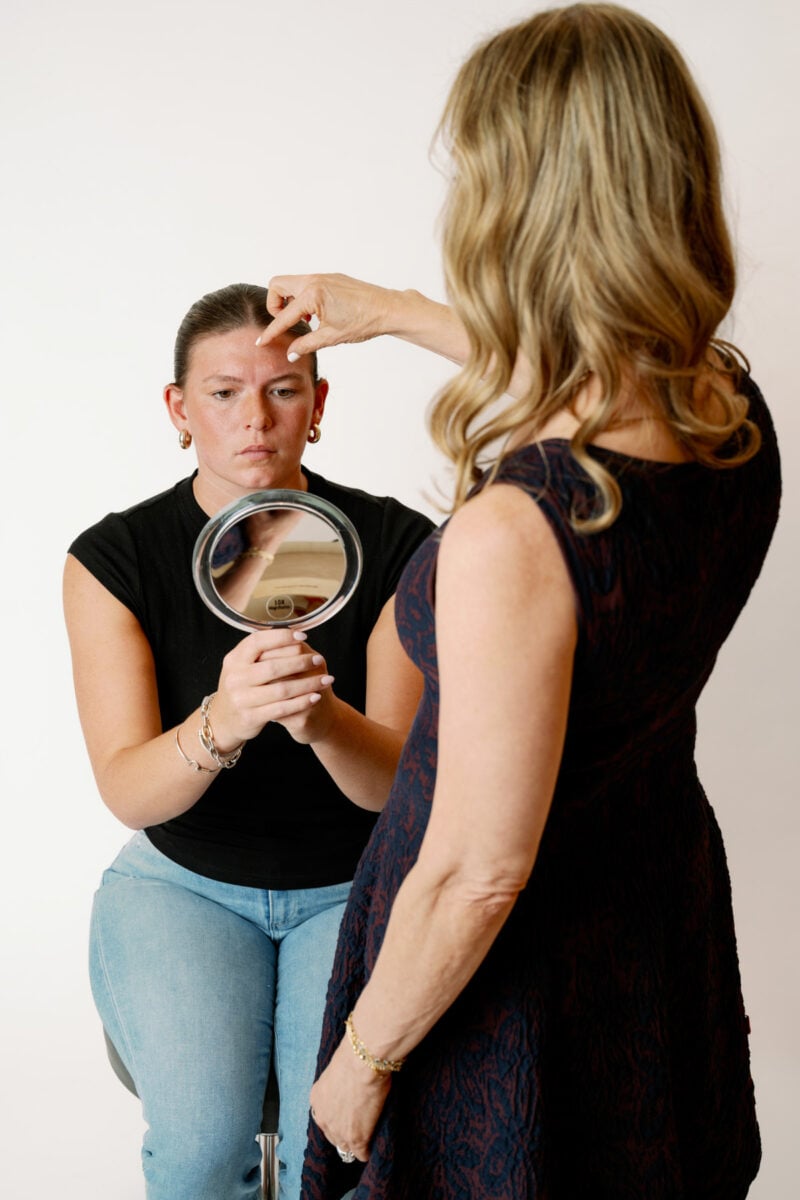
There’s no shortage of beauty advice online, from “surefire” hacks to products and gadgets promising flawless wedding day skin. But cobbling together a treatment plan based on social media tips and internet recommendations can backfire. Irritation, breakouts, burns or infections can create a much longer road to that wedding-day glow – exactly what you’re trying to avoid.
Think of aesthetic care like any other wedding vendor: Do your research, ask questions and choose a qualified professional whose approach aligns with your goals.
How to Choose a Skin Care Provider
Going to a provider who isn’t properly trained is a bigger risk than any given treatment. Regulations in the skin care industry vary by state, and credentials can be difficult to compare at a quick glance. Make sure to ask who will perform the procedure, what training they have and how the practice handles complications before you book an appointment.
Dr. Cox has participated in clinical trials for several FDA-approved injectables and teaches internationally. Duke University and UNC residents also regularly rotate through the Aesthetic Solutions office.
When it comes to injectables, Dr. Cox strongly recommends seeking a board-certified physician in one of the “core four” specialties: dermatology, general plastic surgery, facial plastic and reconstructive surgery, and oculoplastic surgery. She says she has spent more time than she would like to admit correcting complications and helping patients navigate unwanted outcomes.
“These treatments may be common, but they’re still medical procedures, and the skill, training and experience of the person performing them should be taken seriously,” Dr. Cox says. “Choosing a qualified provider is one of the most important decisions you can make when it comes to your aesthetic treatments.”